Creatingaprofessionalwebsite:freelancer,agencyorwebsitebuilder?Creating a professional website: freelancer, agency or website builder?
Building a professional website yourself, with a freelancer or with an agency: what each option brings, its limits and how to choose for your project.Buildingaaprofessionalwebsiteyourself,withwithafreelancerorwithwithanagency:whateacheachoptionbrings,itslimitslimitsandhowtochoosechooseforyourproject.
By Pablo Ordas · Published · 4 min read
To create a professional website, you have three routes: do it yourself with a website builder, hand the project to a freelancer, or go through a web agency. All three produce websites, but not the same ones, nor with the same effort on your part. I'm a freelance developer, so I'm not neutral: I'll tell you honestly when I'm not the right option. If you haven't read the seven steps of a project yet, start with how to create a professional website: choosing who builds it comes after the goal and the content.Tocreatecreateaprofessionalwebsite,youyouhavethreeroutes:dodoityourselfwithaawebsitebuilder,handthetheprojecttoafreelancer,freelancer,orgothroughaawebagency.Allthreethreeproducewebsites,butnotnotthesameones,nornorwiththesameefforteffortonyourpart.I'mI'mafreelancedeveloper,sosoI'mnotneutral:I'llI'lltellyouhonestlywhenwhenI'mnottherightrightoption.Ifyouhaven'thaven'treadthesevenstepsstepsofaprojectyet,yet,startwithhow to create a professional website::choosingwhobuildsititcomesafterthegoalgoalandthecontent.
DoingityourselfwithawebsitebuilderDoing it yourself with a website builder
Online website builders let you assemble pages from templates, without writing code. You pick a theme, drag blocks, publish. It's fast, the subscription is monthly, and you stay in control of everything.Onlinewebsitewebsitebuildersletyouassembleassemblepagesfromtemplates,withoutwithoutwritingcode.Youpickpickatheme,dragblocks,blocks,publish.It'sfast,thethesubscriptionismonthly,andandyoustayincontrolcontrolofeverything.
Whenit'stherightchoiceWhen it's the right choice
You're testing an idea and want an online presence this week.You'retestingtestinganideaandwantwantanonlinepresencethisthisweek.
Your site is mostly a business card: one page, contact details, a few photos.Yoursitesiteismostlyabusinessbusinesscard:onepage,contactcontactdetails,afewphotos.photos.
You have time and want to learn to lay out pages yourself.Youhavehavetimeandwanttotolearntolayoutoutpagesyourself.
WhattoknowfirstWhat to know first
The time you spend has a cost, even if it appears on no invoice. The site stays with the platform: if you stop the subscription, it disappears, and moving it elsewhere often means starting over. The design starts from a template others use too. Finally, search ranking depends on what you know how to do: the tool provides the fields, not the strategy. The basics are in my article on how organic search works.Thetimetimeyouspendhasaacost,evenifititappearsonnoinvoice.invoice.Thesitestayswithwiththeplatform:ifyouyoustopthesubscription,ititdisappears,andmovingititelsewhereoftenmeansstartingstartingover.Thedesignstartsstartsfromatemplateothersothersusetoo.Finally,searchsearchrankingdependsonwhatwhatyouknowhowtotodo:thetoolprovidesprovidesthefields,notthethestrategy.Thebasicsareareinmyarticleononhoworganicsearchworks.works.
HiringafreelancerHiring a freelancer
A freelancer is an independent professional who builds the site personally. You talk to the person who designs and codes, from the first call to launch. Decisions are quick, communication is direct, and nothing gets lost between a salesperson, a project manager and a developer.Afreelancerfreelancerisanindependentprofessionalprofessionalwhobuildsthesitesitepersonally.Youtalktotothepersonwhodesignsdesignsandcodes,fromthethefirstcalltolaunch.launch.Decisionsarequick,communicationcommunicationisdirect,andnothingnothinggetslostbetweenaasalesperson,aprojectmanagermanagerandadeveloper.
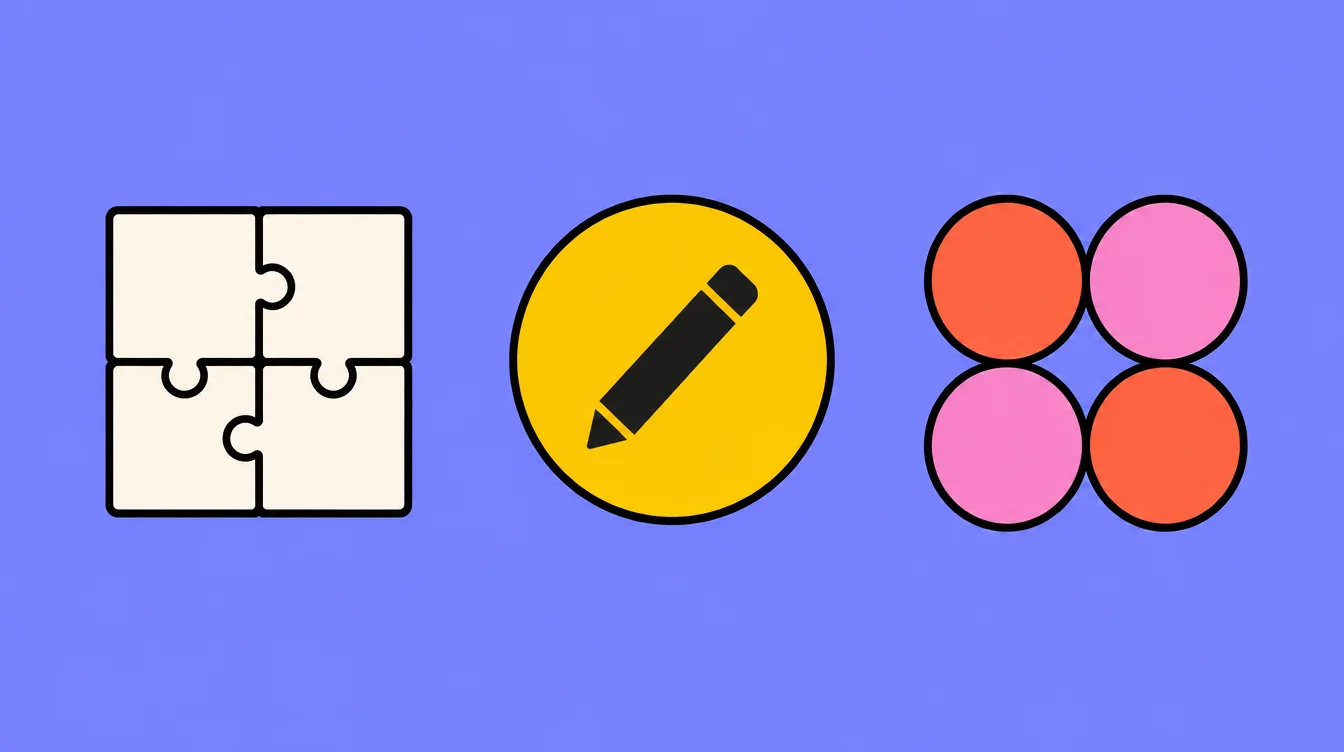
A tool, a person, a team: three ways to build a website.
StrengthsStrengths
A single contact who knows the whole project and the code.Asinglesinglecontactwhoknowsthethewholeprojectandthethecode.
Lighter overheads than an agency, so the budget goes into the actual work.Lighteroverheadsoverheadsthananagency,sosothebudgetgoesintointotheactualwork.
Flexibility: an adjustment is discussed and done without going through several departments.Flexibility:ananadjustmentisdiscussedandanddonewithoutgoingthroughthroughseveraldepartments.
A clear specialty: some freelancers do WordPress, others custom builds, 3D or search optimisation.Aclearclearspecialty:somefreelancersdodoWordPress,otherscustombuilds,builds,3Dorsearchoptimisation.optimisation.
LimitsLimits
A freelancer works alone: availability is limited, and a very large project needing a designer, a copywriter, a developer and an ads specialist all at once is more than one person can carry. Always ask what happens if they're unavailable, and make sure you get the access to your site and your domain name. It's your website, not theirs.Afreelancerfreelancerworksalone:availabilityisislimited,andaveryverylargeprojectneedingaadesigner,acopywriter,aadeveloperandanadsadsspecialistallatonceonceismorethanoneonepersoncancarry.AlwaysAlwaysaskwhathappensififthey'reunavailable,andmakemakesureyougetthetheaccesstoyoursitesiteandyourdomainname.name.It'syourwebsite,notnottheirs.
That's the model I chose: I design and code every site myself, custom-built or on WordPress, and I remain your contact after launch. My projects and client reviews show what that looks like in practice.That'sthethemodelIchose:IIdesignandcodeeveryeverysitemyself,custom-builtororonWordPress,andandIremainyourcontactcontactafterlaunch.Myprojectsandclient reviewsshowwhatwhatthatlookslikeininpractice.
WorkingwithawebagencyWorking with a web agency
An agency brings several trades under one roof: art direction, development, copywriting, search optimisation, sometimes advertising and social media. You usually have a project manager as your contact, who coordinates the team.Anagencyagencybringsseveraltradesunderunderoneroof:artdirection,direction,development,copywriting,searchoptimisation,optimisation,sometimesadvertisingandsocialsocialmedia.Youusuallyhavehaveaprojectmanagerasasyourcontact,whocoordinatescoordinatestheteam.
WhenanagencyistheanswerWhen an agency is the answer
The project is large: many pages, several languages, integrations with your internal tools.Theprojectprojectislarge:manypages,pages,severallanguages,integrationswithwithyourinternaltools.
You need several skills at the same time, and fast.Youneedneedseveralskillsatthethesametime,andfast.fast.
Your company requires formal procedures: tenders, approval committees, framework contracts.Yourcompanycompanyrequiresformalprocedures:tenders,tenders,approvalcommittees,frameworkcontracts.contracts.
WhattoacceptWhat to accept
More contacts means more coordination, so longer decision times and a cost that includes the structure: offices, sales team, project management. Also check who actually does the work: some agencies subcontract development to freelancers. That's not a problem in itself, but you should know.Morecontactscontactsmeansmorecoordination,sosolongerdecisiontimesandandacostthatincludesincludesthestructure:offices,salessalesteam,projectmanagement.AlsoAlsocheckwhoactuallydoesdoesthework:someagenciesagenciessubcontractdevelopmenttofreelancers.freelancers.That'snotaproblemprobleminitself,butyouyoushouldknow.
Howtochoose,inpracticeHow to choose, in practice
Four checks before signing, whoever you hire.
The right provider depends on your project, not on a general rule. Go back to the goal of the site and who will run it, then ask yourself these questions:Therightrightproviderdependsonyouryourproject,notonaageneralrule.Gobackbacktothegoal of the siteandandwhowillrunit,it,thenaskyourselfthesethesequestions:
Must the site bring me customers, or just exist? To just exist, a website builder is often enough.Mustthethesitebringmecustomers,customers,orjustexist?ToTojustexist,awebsitewebsitebuilderisoftenenough.enough.
Who will update the site? If it's you, you need a technology you'll be able to use: that's the WordPress or custom question.Whowillwillupdatethesite?IfIfit'syou,youneedneedatechnologyyou'llbebeabletouse:that'sthat'stheWordPress or custom question.
How many skills are needed at once? One or two: a specialised freelancer. Many, in parallel: an agency.Howmanymanyskillsareneededatatonce?Oneortwo:two:aspecialisedfreelancer.Many,Many,inparallel:anagency.agency.
What kind of relationship do you want? One person you can reach directly, or a team with a project manager.Whatkindkindofrelationshipdoyouyouwant?Onepersonyouyoucanreachdirectly,ororateamwithaaprojectmanager.
ChecksbeforesigningChecks before signing
Live websites you can visit, not just screenshots.Livewebsiteswebsitesyoucanvisit,notnotjustscreenshots.
Verifiable client reviews, on a Google Business Profile or on their site.Verifiableclientclientreviews,onaGoogleGoogleBusinessProfileoronontheirsite.
A real business: in France, name, SIREN number and address can be checked in the government's business directory.Arealrealbusiness:inFrance,name,name,SIRENnumberandaddressaddresscanbecheckedininthegovernment'sbusiness directory..
A detailed quote: pages, features, content, search optimisation, timeline and what happens after launch. My article on the website quote explains how to read one.Adetaileddetailedquote:pages,features,content,content,searchoptimisation,timelineandandwhathappensafterlaunch.launch.Myarticleonthethewebsitequoteexplainshowhowtoreadone.
Ownership: the domain name, hosting and site should be in your name, or transferred to you at the end.Ownership:thethedomainname,hostingandandsiteshouldbeininyourname,ortransferredtransferredtoyouatthetheend.
Personal data: if the site collects forms, the provider must know the basics of GDPR.Personaldata:data:ifthesitecollectscollectsforms,theprovidermustmustknowthebasicsofofGDPR.
The right provider is the one who tells you what you don't need.Therightrightprovideristheoneonewhotellsyouwhatwhatyoudon'tneed.
Whataboutthebudget?What about the budget?
Price follows the same logic as the choice: a monthly subscription for a website builder, a quote for a freelancer or an agency, depending on pages, features, design and content to produce. Always compare what's included rather than the amount alone: a cheaper site that isn't optimised for search or has no maintenance often costs more later. I explain what drives the cost of a showcase website in a dedicated article.Pricefollowsfollowsthesamelogicasasthechoice:amonthlymonthlysubscriptionforawebsitewebsitebuilder,aquoteforforafreelancerorananagency,dependingonpages,pages,features,designandcontentcontenttoproduce.Alwayscomparecomparewhat'sincludedratherthanthantheamountalone:aacheapersitethatisn'tisn'toptimised for searchorhasnonomaintenanceoftencostsmoremorelater.Iexplainwhatwhatdrivesthecostofofashowcasewebsiteininadedicatedarticle.
MyadviceMy advice
Test with a website builder if you're starting out and the site has no commercial stake yet. Hire a freelancer when the site has to work for you and the project fits in the hands of one specialised person. Choose an agency when the project needs a whole team at once. And if you're torn between the last two, ask for both quotes: how each one answers your questions will tell you more than the price.Testwithwithawebsitebuilderififyou'restartingoutandandthesitehasnonocommercialstakeyet.HireHireafreelancerwhenthethesitehastoworkworkforyouandthetheprojectfitsinthethehandsofonespecialisedspecialisedperson.Chooseanagencyagencywhentheprojectneedsneedsawholeteamatatonce.Andifyou'reyou'retornbetweenthelastlasttwo,askforbothbothquotes:howeachoneoneanswersyourquestionswillwilltellyoumorethanthantheprice.
Three profiles: you with a website builder, a freelancer who designs and codes alone, or a web agency bringing several trades together. The right choice depends on the size of the project and who will run the site.Threeprofiles:profiles:youwithawebsitewebsitebuilder,afreelancerwhowhodesignsandcodesalone,alone,orawebagencyagencybringingseveraltradestogether.together.Therightchoicedependsdependsonthesizeofoftheprojectandwhowhowillrunthesite.site.
Howmuchdoesaprofessionalwebsitecost?How much does a professional website cost?
It depends on the number of pages, features, design and content to produce. A website builder works on subscription; a freelancer or agency gives a quote. Always compare what each quote includes.Itdependsdependsonthenumberofofpages,features,designandandcontenttoproduce.AAwebsitebuilderworksononsubscription;afreelancerororagencygivesaquote.quote.Alwayscomparewhateacheachquoteincludes.
Isafreelancerlessreliablethananagency?Is a freelancer less reliable than an agency?
No, reliability comes from the person, not the status. Check live work, reviews and that the business exists, and make sure you get every access to your site.No,reliabilityreliabilitycomesfromtheperson,person,notthestatus.CheckChecklivework,reviewsandandthatthebusinessexists,exists,andmakesureyouyougeteveryaccesstotoyoursite.
CanImovefromawebsitebuildertoaprofessionalsitelater?Can I move from a website builder to a professional site later?
Yes, but the site usually has to be rebuilt, because builders don't let you export a complete website. Your copy, photos and domain name can be recovered.Yes,butbutthesiteusuallyhashastoberebuilt,becausebecausebuildersdon'tletyouyouexportacompletewebsite.website.Yourcopy,photosandanddomainnamecanbeberecovered.
Whoownsthesiteonceit'sdelivered?Who owns the site once it's delivered?
You do, if the contract says so: domain name, hosting and site files in your name, or transferred at the end of the project. Check this before signing.Youdo,do,ifthecontractsayssaysso:domainname,hostinghostingandsitefilesininyourname,ortransferredtransferredattheendofoftheproject.Checkthisthisbeforesigning.
Tell me about it in a few lines. I'll get back to you, and you'll have a price from our first conversation.Tellmemeaboutitinaafewlines.I'llgetgetbacktoyou,andandyou'llhaveapricepricefromourfirstconversation.conversation.